

📍 Nagaland
Nagaland has been mired in political turmoil and various occupations. From the British to the Japanese and the Indian state, the Nagas have suffered violence and persecution. Hence, there isn’t much literature from those troubled times. However, they do have a rich tradition of oral literature, history and culture passed down through word of mouth from generation to generation. It’s only after the formation of Nagaland statehood in 1963 that some writings started appearing. By the turn of the century is when the dawn of writing in Nagaland truly began.
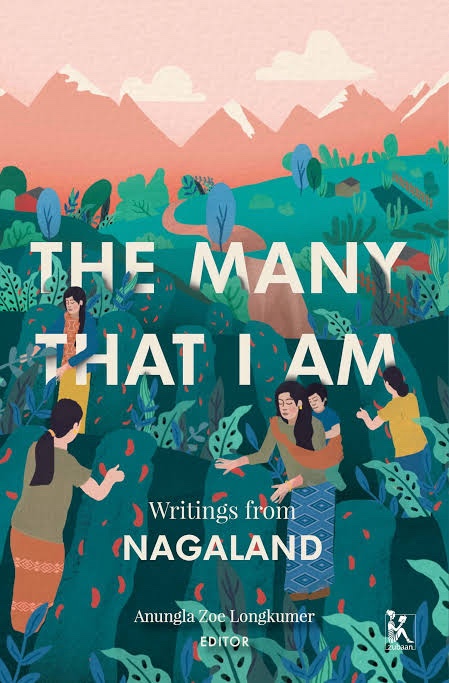
This book is an anthology of short stories, personal essays and poems interspersed with painting prints. What makes this book compelling is that all of the writers and artists are women, and it has equal space for contemporary and debutantes alongside prominent, established writers such as Temsula Ao, Easterine Kire and Avinuo Kire.
The writings essentially reflect the issues plaguing Naga society and Naga women. Patriarchy is the biggest social evil and most of the essays and poems portray its intergenerational traumatic consequences due to the abject denial of its existence. The poems, I wish you were a man by Abokali Jimoni, I just hate and NoNoNo woman by rōzumarī raṁsāra, are poetic lashings at the rigid patriarchal constructs and how women are now walking away from them. The story, My Mother’s Daughter by Neikehienuo Mepfhüo, brings about the widely prevalent but silenced epidemic of domestic violence; which when unchallenged becomes the norm of a woman’s lived experience. The power to forgive by Avinuo Kire, is a gut wrenching story on rape and what happens when righteous anger, hatred and the decision to forgive are taken away from the victim. Many of the stories depict the sense of belonging that Nagas have for their land and their peoples. Martha’s mother by Hekali Zhimoni was a stand out story for the sheer wit, resilience and composure shown by the mother when faced with an emotionally volatile predicament.
Anungla Zoe Longkumer is a writer, musician and filmmaker, based in Dimapur, Nagaland. Through this genre defying book, she has unleashed the creative pursuits of Naga women writers and has presented to the world the glorious literature from Nagaland that is steeped in folklore and continues to challenge myths, traditions and our collective consciousness.
~ JUST A GAY BOY. 😇

 the shiny diaries