

📍 Iran 🇮🇷
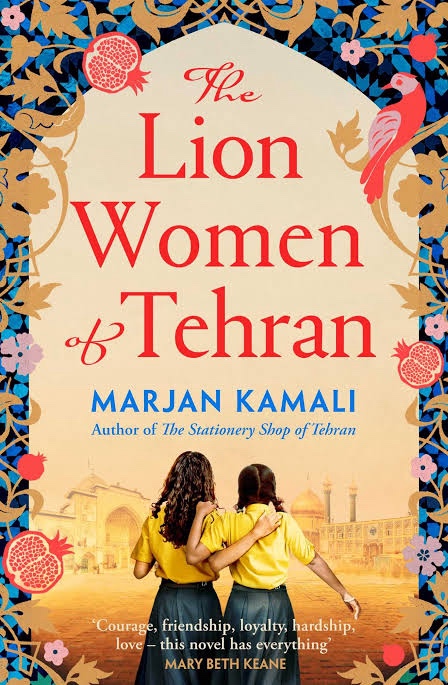
It’s Tehran in the 1950s. Progressive and on the brink of change. Ellie, living an affluent life, is now forced to move to a poorer neighbourhood with her cantankerous mother after her father’s untimely death. Seven year old Ellie is happy to be in her new surroundings and keeps yearning for a good friend. Enter Homa, who with her free spirited and rambunctious personality soon becomes best friends with her. Together they dare to dream and don’t shy away from being ambitious whilst breaking some harmless rules along the way. Ellie’s mother despises Homa and remains condescending towards their friendship. She remarries so that they can return to their moneyed ways, marking an end to Ellie and Homa’s relationship. Years pass by, and Ellie is now one of the most popular girls of her posh school. Homa secures admission to the same school, and while she is ecstatic to reunite with Ellie; Ellie doesn’t feel the same. Ellie’s hesitation and snobbery don’t stand a chance to Homa’s infectious enthusiasm and simplicity. Soon they are back to being friends which again irks Ellie’s mother. Homa is determined to be a lawyer so that she can bring about reforms in women’s rights in Iran. She also remains committed to political activism. She constantly eggs Ellie to pursue her education. Ellie on the other hand is besotted with Mehrdad and wants to be married. Despite this clash of values and interests, they forge their friendship until one unfortunate misunderstanding that leads to a catastrophic incident upending their lives forever.
My favourite Iranian author, Marjan Kamali, is back with her third and latest book, The Lion Women of Tehran, and this one is a stark departure from her previous works. Women are the front and center of this narrative. Marjan has put female friendship as the protagonist of this book and has charted its course through trials and tribulations, financial disparities and long distance.
Marjan has written a story about feminism and everything it encompasses. Through Homa, she has portrayed the quintessential activist woman who is striving to make the world a better place for other women. Homa embodies fortitude, tenacity and resilience. Through Ellie, the author has made us broaden the scope of feminism and makes a case for women who willingly choose to be a homemaker. These are the women who are omnipresent in all our lives and yet easily forgotten by the feminist movement. However, Ellie’s character brings this subtlety and nuance to the conversation. Though debatable and dubious, Ellie’s mother is fierce in her own way taking ownership for her choices and actions, and yet standing tall.
As with her previous books, Marjan has left no stone unturned in describing Iran’s political landscape and its innate turmoil and turbulence alongside Ellie and Homa’s story. She guides us through all the major political upheavals that have changed Iran’s society and the consciousness at large. The horrific killing of Mahsa Amini and the riots that have followed since for women’s liberation in Iran also find a commendable mention in the book.
The book is purely Persian in its essence and celebrates all the ‘shir zan’ (lion women) of Iran. Persian culture has been brought to life in Marjan’s writing. The book is suffused with Persian cooking and the aromas literally waft through the pages. Food just doesn’t feature here for celebration but also denotes a revolution. Farsi words and sentences find considerable mention in the book. It’s such a joy to read it and to find similarities between Farsi and Hindi/ Urdu.
Marjan Kamali writes so evocatively about love, friendship and Iran. She also challenges patriarchy and chauvinism fearlessly. The book is so achingly beautiful; it’s compassionate and passionate in the same breath and with every word.
~ JUST A GAY BOY. 😇
 the shiny diaries