

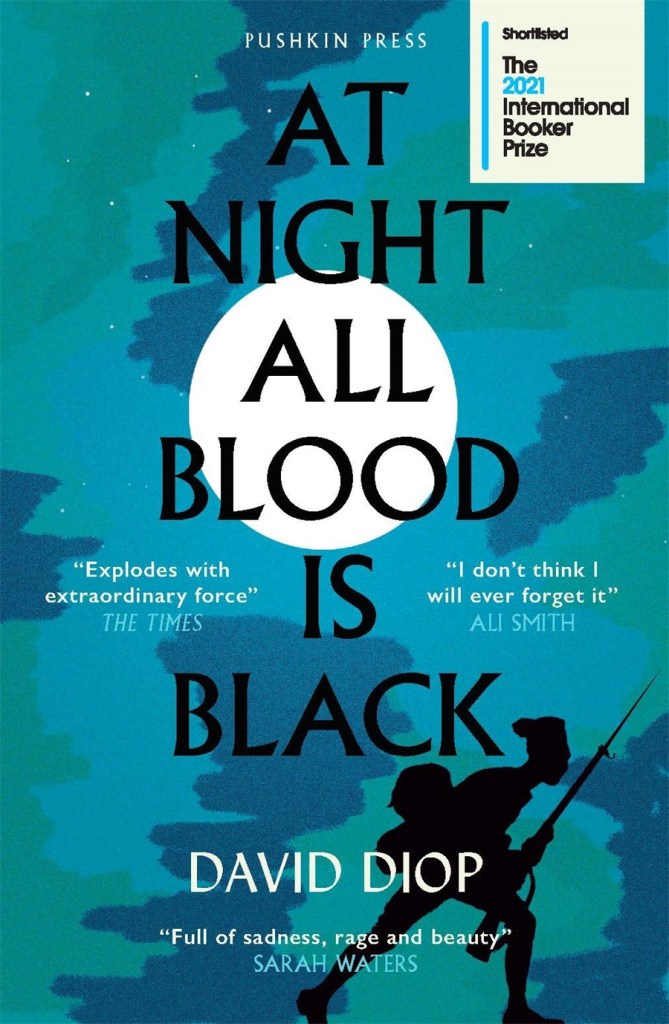
This 2021 International Booker Prize winner, is a sordid telling about a Senegalese soldier during the First World War. Alfa Ndiaye, is a strong and handsome man, recruited by the French against the German troops. Mademba Diop, with whom Alfa shares a brotherhood with, gets brutally killed and disemboweled during one of the attacks. Alfa sees him pleading for death and writhing in agony during his last moments and feels helpless and responsible about not providing him death sooner. This event destabilises Alfa which makes him seek gruesome revenge on the Germans. Every night he kills one of them and brings their severed hand as a medallion. Initially, his own troops and the French captain laud him for his bravery. But as his grotesque killing continues, the same people, now deem his bravery as savagery; call him dëmm, the devourer of souls and avoid him. All of this, makes Alfa have mental breakdowns and hence is ordered by the captain to be sent to an asylum. Slowly Alfa starts losing his memory, gets delusional and forgets his own identity.
The author, in the second half, throws light on the friendship and brotherhood of Alfa and Mademba. The relationship of Alfa with this mother, Penndo Ba, who leaves him at the age of nine, remains constrained with an unsaid love and resentment. The book describes the culture and traditions of Fula people of Senegal. The words and the narration get deliberately repetitive, probably to keep it authentic to Alfa Ndiaye’s thoughts.
Through the story, Alfa emerges as this brute force who only knows, blood, death and violence as the language of love, care and loyalty. In his delusional state, when he commits a rape; he believes it to be his act of making love. Narrated by Alfa himself, the story gets intentionally disturbing, making you squirm.
The book is translated from French by Anna Moschovakis, who shares the Booker Prize with the author David Diop. The story is a slice of the unspoken brutality of the First World War. As also, it’s an unflinching account of the life and mind of a soldier, facing the trauma of a war.
Haunting.
~ JUST A GAY BOY. 🥴

 the shiny diaries