
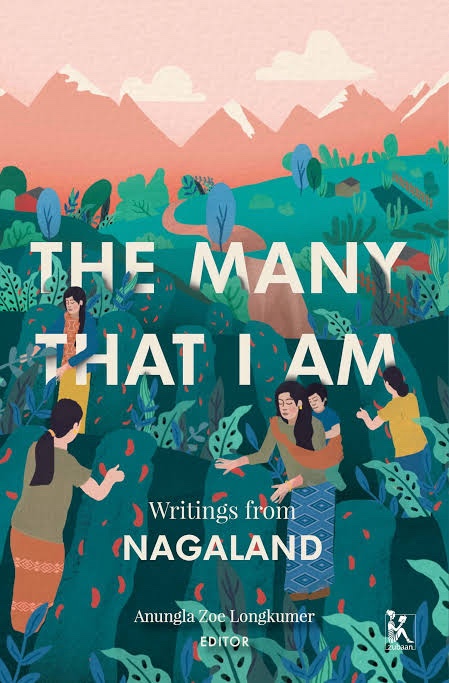
The Many That I Am : Writings from Nagaland

📍 Nagaland

Nagaland has been mired in political turmoil and various occupations. From the British to the Japanese and the Indian state, the Nagas have suffered violence and persecution. Hence, there isn’t much literature from those troubled times. However, they do have a rich tradition of oral literature, history and culture passed down through word of mouth from generation to generation. It’s only after the formation of Nagaland statehood in 1963 that some writings started appearing. By the turn of the century is when the dawn of writing in Nagaland truly began.

This book is an anthology of short stories, personal essays and poems interspersed with painting prints. What makes this book compelling is that all of the writers and artists are women, and it has equal space for contemporary and debutantes alongside prominent, established writers such as Temsula Ao, Easterine Kire and Avinuo Kire.

The writings essentially reflect the issues plaguing Naga society and Naga women. Patriarchy is the biggest social evil and most of the essays and poems portray its intergenerational traumatic consequences due to the abject denial of its existence. The poems, I wish you were a man by Abokali Jimoni, I just hate and NoNoNo woman by rōzumarī raṁsāra, are poetic lashings at the rigid patriarchal constructs and how women are now walking away from them. The story, My Mother’s Daughter by Neikehienuo Mepfhüo, brings about the widely prevalent but silenced epidemic of domestic violence; which when unchallenged becomes the norm of a woman’s lived experience. The power to forgive by Avinuo Kire, is a gut wrenching story on rape and what happens when righteous anger, hatred and the decision to forgive are taken away from the victim. Many of the stories depict the sense of belonging that Nagas have for their land and their peoples. Martha’s mother by Hekali Zhimoni was a stand out story for the sheer wit, resilience and composure shown by the mother when faced with an emotionally volatile predicament.

Anungla Zoe Longkumer is a writer, musician and filmmaker, based in Dimapur, Nagaland. Through this genre defying book, she has unleashed the creative pursuits of Naga women writers and has presented to the world the glorious literature from Nagaland that is steeped in folklore and continues to challenge myths, traditions and our collective consciousness.

~ JUST A GAY BOY. 😇
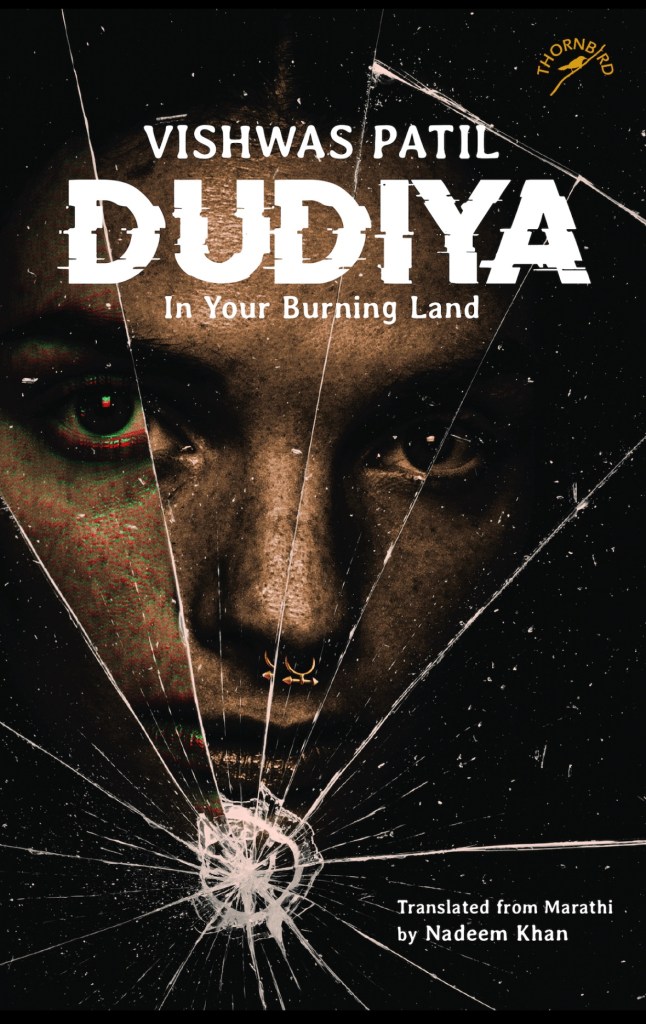
Dudiya: In your burning land

Read a Kitaab, reading community’s February month’s #readingindiachallenge was dedicated to Chhattisgarh and my pick was Vishwas Patil’s Dudiya. Written originally in Marathi and translated into English by Nadeem Khan, the book is a searing portrayal of life in the Naxal region of Chhattisgarh. The story begins in May 2013, when IAS officer Dilip Pawar gets posted as an Election Observer in the Naxal dominated districts of Chhattisgarh. His duty is to ensure smooth electoral process despite the grave circumstances of the region. His trepidation is put to test when he lands in the area and is inundated with stories of Naxal brutality and their ingenious ways in circumventing police surveillance and governmental interference. There, during his stay, he comes across this girl, Dudiya, who was born in one of the impoverished hamlets of Chhattisgarh, but soon joins the Naxals to escape the misogynist traditions and cultural norms of her village. During her training as a Naxalite, she soon realises how the original principles on which Naxalism was built have got eroded in the pursuit of establishing authority, control and hierarchy. Violence is commonplace and often misguided. Misogyny remains omnipresent in the Naxal camps though not as stark as in her village. She ditches the Naxals and joins the police as an informant and begins her life anew whilst trying to heal the traumas of her past.

Inspired by real life events, the book gives a thorough introduction to the region that has been plagued by the Naxalite movement. The author has on no occasion taken sides. He deftly portrays the history of the rise of Naxalism, its necessity, its spread and how its roots are linked to Maoism. Through various characters in the novel, he brings to light the politics that are deeply ingrained in the sustenance of the Naxal movement. Caught in the crossfire between the government and the rebels are the tribals of the region who have been completely forgotten by both parties. The apathy and ignorance of the political class in wanting to primarily weed out Naxal insurgents without addressing the grievances of the tribals at the grassroots level, exemplifies it. Through this book, the author has touched upon all of the above issues, without sounding patronising and being morally absolute.

Though the writing is simple and lucid, I felt it faltered at a few places when it tried to incorporate some element of ‘boob writing’ (the term, courtesy Daisy Rockwell). The description of the ‘bare breast’ tradition of the tribe and later of Dudiya’s relationship with an older man, bordered on titillation. Male writers should do away with these descriptions of women’s anatomy having lecherous overtones, because it serves no purpose in propelling the narrative.

Having said that, Dudiya is still a good book that attempts to provide a thorough understanding of the complexity of the Naxal movement. It also describes the lush yet difficult geography of the region. The author has given a vivid description of the Abujmarh forests, Tadmetla and Bastar. Vishwas Patil has done a fairly commendable job in bringing forth this national issue through the lives of the tribals who are easily dismissed in an often forgotten area of the country.

~ JUST A GAY BOY. 😐