

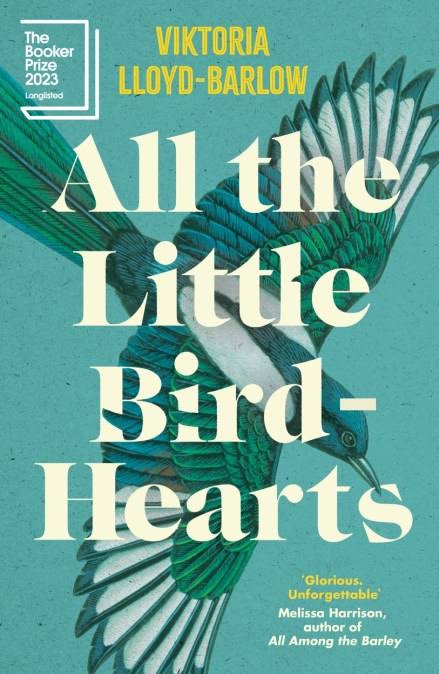
(Slight spoilers ahead)
Longlisted for The Booker Prize 2023, this phenomenal book, is a heartfelt, yet emotionally brutal look at love that’s lost in relationships. Sunday, the principal protagonist, lives with her teenage daughter Dolly, in a modest house on a quiet street and living an orderly life. Sunday is neurodivergent and makes no bones about having difficulty in negotiating and understanding the simplest neurotypical situations. Hence, she finds it necessary to stick to a routine, even if it means eating only white food and relying heavily on an etiquette book. Her life seems to get upended when a glamorous couple move next doors. Vita, is a larger than life character, who uses her charm, wit and captivating personality to mesmerise Sunday and Dolly; while her husband Rollo, is calm and collected, having a suave impressionable style. In no time, they are in and out of each other’s house, having regular dinners and brunches. Dolly is so taken by Vita’s magnetism, that she starts spending more and more time at Vita and Rollo’s place; soon taking her clothes there, starting to work for them in their construction business and even having her own room in their house. Sunday begins to wonder at this rapid rate of detachment of Dolly from her and starts questioning Vita’s real intentions behind the same. These, of course, aren’t met with favourable outcomes and Sunday is left abandoned by everyone.
The book is an open canvas of Sunday’s mind. The author gives us a detailed and unfiltered blueprint of her thoughts and triggers. The first half of the book may seem a tad slow and repetitive, simply because the author is making us accustomed to Sunday’s neurodivergence, her vulnerability, her ways of tackling everyday conversations and interactions, and her perplexities in understanding others’ ease in navigating the same. Sunday is a fierce character who owns her neurodivergence in spite of the negativity and deliberate ambiguity that others display around her. The author also gives us an insight into her childhood traumas, her highly volatile relationship with her mother and her incongruous marriage. The disintegration of Sunday and Dolly’s relationship is heartbreaking, so is Dolly’s disregard and contempt of her mother for a more attractive Vita. Despite this anguish, Sunday exhibits steely grit and acceptance of her agony, and also of her daughter’s estrangement.
The author, Viktoria Lloyd-Barlow, is autistic and through this book has given a voice that’s authentic to so many other autistic people who are underrepresented and often misrepresented too. It’s a searing yet poignant rendition on motherhood, flawed relationships, and unequal societal dynamics. As you read the book, you understand the fact, that the author isn’t wanting our sympathy, rather wants us to check in with our prejudices and privileges. Such a stellar debut!
~ JUST A GAY BOY. 🫶







 the shiny diaries