📍 Nigeria 🇳🇬
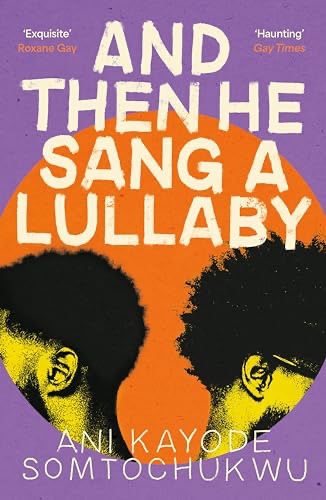
My pick for Pride Month is a searingly honest and often heartbreaking story of two gay men finding love and themselves in a country that is decidedly against them. August Akasike, whose mother dies while giving birth to him, is often tormented by the same fact and considers her foolish for going ahead with the pregnancy despite the doctor’s warnings. He lives in Enugu and has three older sisters who dote on him and mollycoddle his every action and achievement. They along with an emotionally indifferent father entrust him with the responsibility of protecting the Akasike family name. However, August who is a phenomenal track star, is naturally attracted towards men and often admonishes himself in the harshest way possible for even having these thoughts. Despite the strong self reluctance in wanting to engage in sex with men, he does have a few dalliances, which end up causing him extreme emotional turmoil, so much so that in University he tries having a relationship with a girl, Betty, until he meets Segun.
Segun, who lives in Iyana-Ipaja near Lagos, is the only child to a fierce mother and an impassive father. His body language and gesticulations which get perceived as being “effeminate” attract teasing, bullying and even assaults from a very young age. Tanko, his first boyfriend, gaslights him, physically manipulates and harms him until Tanko himself becomes a victim of homophobic attack. His other failed relationships and random sexual encounters make him cynical of love. He refuses to be discreet and starts living openly as a queer man, picking up fights, and being borderline reckless in his defiance. He wants his partner to be as open as him until he meets August.
Segun and August meet at the University in Enugu and despite their reservations regarding each other, fall in love. At the beginning of their relationship, August is secretive and ashamed of their affair. This irks Segun to no end and they have multiple heated arguments over it. Later, a brutal mob attack on Segun at his hostel, changes him completely. The once bold and rebellious Segun becomes submissive and docile. He loses his will to live and to fight. This prompts almost a role reversal and August becomes the new rebel; comes out to his bewildered sisters and his peers, inviting contempt. However, nothing that he does, is able to shake Segun out of his despair.
The author, Ani Kayode Somtochukwu, is a Nigerian writer and a prominent LGBTQ+ activist who is known for his advocacy and criticism of anti-LGBTQ+ laws. This book, his debut work, published at the age of 23, is a purely African queer story and Nigeria remains the front and center of it. As the story unfolds, the author simultaneously introduces us to the political scenario in his country and the rising hostility towards queer people. Some of the striking moments in the book are about the Nigerian President Goodluck Jonathan signing into law the Same Sex Marriage Prohibition Act in 2014, to cheers from a largely homophobic society and disputes between August and Segun. But the real beauty of the book lies in the way, Somtochukwu has written his characters. They are as real as it gets, brimming with temerity and perseverance but also being flawed in their own ignorant way. The tender moments between August and Segun are affirming and written with so much consideration. August’s love for Segun is all encompassing and immersive yet helpless. Ani Kayode has written with such empathy that never overburdens the reader. His prose is exacting in the grimness of the realities faced by August and Segun and still offering a vague semblance of mundanity to their romance. His depiction of sexual scenes is exemplary and one where in other writers could take notes from. Kudos to him for championing compelling themes of internalised homophobia, closeted gays, emotional and physical violence in gay relationships with the requisite sensitivity and nuance. This story is truly a lullaby, a lullaby you will hum long after you finish reading it, reminiscing August and Segun and their love which was never meant to be.
As I write this, LGBTQIA+ individuals are criminalised in Nigeria and various states of the country have extremely harsh laws for the same. In fact, worldwide 64 countries criminalise homosexuality as of 2024. In 12 countries, the death penalty is imposed. Here, in our country, we may have decriminalised article 377, but LGBTQ+ individuals still remain second class citizens with no equal rights. I wonder, how long would it take for others to see us as humans? How many lives need to be lost, and hopes to be crushed for a positive change to happen?
Happy Pride indeed!
~ JUST A GAY BOY. 🏳️🌈🏳️⚧️